


Lumps and bumps are among the most common concerns bringing dogs to the vet. While many pet owners discover harmless fatty deposits or sebaceous cysts during routine grooming, certain changes transform an ordinary skin mass into an urgent matter requiring same day or next day veterinary care.
The difference between a routine lump and an urgent one comes down to behavior. A stable, long standing mass that hasn’t changed is typically not urgent. However, rapid growth, sudden appearance, heat, pain, bleeding, or association with systemic symptoms like fever, lethargy, or vomiting signals something that demands fast professional attention. Some lumps can signal aggressive infections, abscesses, or malignant cancers that require swift intervention (and waiting could mean the difference between a simple procedure and a complex medical one).
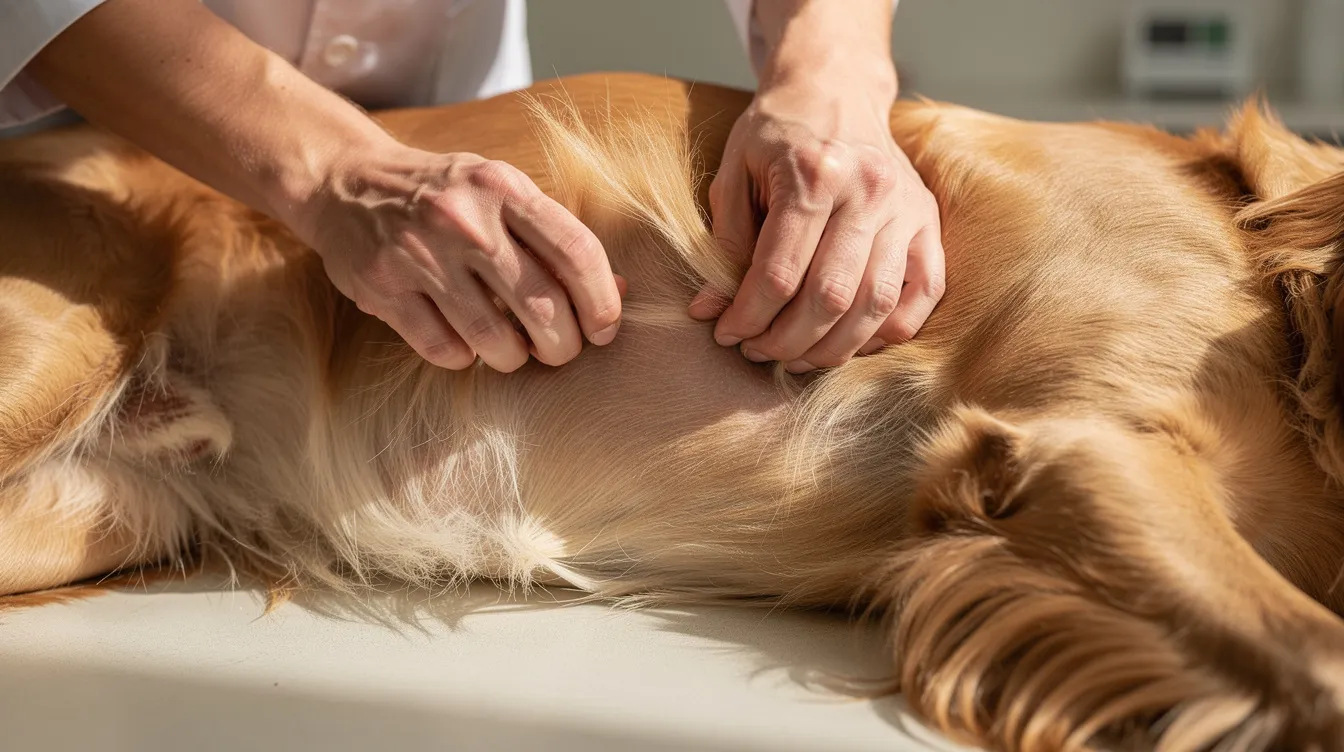
Types of Lumps and Bumps on a Dog’s Skin
We will categorizes lumps by urgency and behavior rather than providing an exhaustive list. They are most commonly divided into malignant and benign. While many lumps start as non-urgent, any rapid change, pain, or ulceration transforms them into urgent issues regardless of original diagnosis.
Benign Tumors
Benign tumors are noncancerous growths that do not spread to other areas of the body. However, they can grow locally and cause discomfort or functional problems.
Common benign lumps include:
Lipomas are benign tumors made up of fat cells under the skin and can develop anywhere on a dog’s body (Adedeji et al., 2017). Even benign lumps become urgent when they suddenly double in size over days to weeks, develop redness, heat, ulceration, or bleeding, or when your dog starts obsessively licking or limping.
Malignant Tumors
Malignant tumors are cancerous masses that can invade surrounding connective tissue and spread to lymph nodes, lungs, liver, or other organs. Unlike benign fatty tumors, these cancerous skin tumors often behave aggressively.
Key malignant lumps include:
-
Mast cell tumors: The most common skin cancer in dogs, accounting for up to 20% of cutaneous cancers. Breeds like Boxers, Bulldogs, and Retrievers are predisposed. Mast cell tumors are aggressive cancers requiring prompt diagnosis.
-
Soft tissue sarcomas: Invasive tumors that arise from connective tissues, typically firm masses in deep tissues of limbs or trunk in large breeds.
-
Melanoma: Pigmented or non-pigmented nodules on lips, mouth, nails, or footpads with high metastatic potential.
-
Mammary tumors: Can occur in unspayed female dogs and vary in severity from small nodules to large masses, with over 50% malignancy rate.
-
Squamous cell carcinomas: Crusty, ulcerated lesions on sun-exposed areas like noses and ears, often linked to sun exposure.
Warning patterns include firm or irregular lumps that appear suddenly, grow rapidly over days to weeks, or change texture quickly. Because malignant tumors are time sensitive, any suspicious mass in dogs over 7 years should be evaluated urgently rather than watched for months.
Infections, Abscesses, and Inflammatory Swellings
Abscesses are painful lumps filled with pus, often caused by bite wounds, scratches, or foreign objects like grass awns. These can appear almost overnight, creating localized swelling with classic signs of warmth, redness, and pain (Tenekeci et al., 2024).
Typical features of infected cysts and abscesses include warmth and redness at the skin surface, possible drainage of pus or blood and/or pain when touched.
Common locations include facial areas (from tooth or gum infections), the anal region, and between toes. Bacterial infections from interdigital furunculosis, often triggered by allergic reactions or foreign bodies, can progress to draining tracts if ignored.
Untreated infections can spread to sepsis with fever and systemic illness. Any painful, hot, or oozing lump (especially if your dog seems unwell) requires same day assessment.
When a Lump in Your Dog Is an Emergency
When you discover a new lump late at night or on a weekend, use this practical checklist. Seek immediate veterinary attention for:
-
Sudden appearance with 25% or more growth within 48 hours
-
Severe pain causing your dog to cry or guard the area
-
Black or purple discoloration
-
Heavy bleeding or ulceration
-
Interference with eating, breathing, or elimination
Systemic emergency signs like collapse, pale gums, difficulty breathing, vomiting, or abdominal distension require an immediate ER visit regardless of the lump’s appearance (Maddens and Takeaways, 2026).
Owners should schedule a fine needle aspiration FNA or biopsy if a lump shows rapid growth or other urgent symptoms.
Situations Where You Can Usually Wait 24–72 Hours
Not all lumps require middle of the night ER care. Small, non painful, stable lumps in otherwise bright and active dogs can generally be booked for the next available routine appointment.
However, “wait” means scheduling within days, not months (especially for older dogs over 7 years with multiple lumps). Nearly half of all skin masses in geriatric dogs prove malignant. If any lump changes during your waiting period, upgrade to urgent care immediately.
A quick phone call to your vet clinic can help triage whether you need emergency service or can wait for a routine slot.
What to Do at Home When You Find a Lump
When you discover a new lump on your dog’s body, stay calm and gather information rather than attempting treatment.
Simple Home Examination and Documentation
Follow these steps. First, assess if it feels hot compared to surrounding skin and note whether your dog reacts in pain when you touch it. You can measure diameter with a ruler (e.g., “right shoulder, 2 cm, 29/04/2026”). Also, observe the dog’s skin to check if it is intact, red, bruised, scabbed, or oozing.
Note if hair is missing or discolored over the lump and any changes in appetite, activity, or breathing.
Photograph the lump with a coin or other comparably sized item for scale. Scan your dog’s entire body for other pet masses, wounds, or ticks you might have missed.
What Not to Do Before Seeing the Vet
Do not squeeze, cut, or attempt to “pop” any lump as this can cause infection and make diagnosis harder.
Avoid applying human creams, antiseptics, or essential oils without vet guidance. Never give human painkillers like ibuprofen or acetaminophen as these are higly toxic to dogs.
If a lump ever starts bleeding, apply gentle pressure with a clean cloth and seek veterinary care as soon as possible.
How Vets Diagnose Urgent Lumps in Dogs
While pet owners see only the skin surface, veterinarians rely on structured diagnostics to understand what a lump truly is. A veterinarian cannot diagnose a lump by sight alone and will likely perform further diagnostic procedures. Many clinics often have inhouse cytology, digital imaging, and partnerships with pathologists for rapid results.
Physical Examination and History
A thorough physical examination and detailed history of the lump’s timeline and growth rate are essential steps in the diagnostic process for skin masses in pets. Vets diagnose lumps by asking when you first noticed the mass, how fast it changed, and whether your dog has shown weight loss or lethargy.
The vet will palpate the lump for size, depth, and mobility. They will determine whether it’s freely movable or attached to underlying tissues. Lymph nodes and the rest of your pet’s skin will be checked for additional masses.
Diagnostic Tools: Cytology, Biopsy, and Imaging
Veterinarians use various diagnostic techniques to assess lumps. Most commonly they will probably use FNA (Fine needle aspiration).
Advanced diagnostic imaging, such as digital X-ray and ultrasound, helps evaluate whether a mass has spread to deeper tissues or other organs. This is crucial for staging cancer and planning treatment. For urgent infections, vets may culture discharge to select the most effective antibiotic treatment.

Preventing Future Skin Emergencies in Dogs
Not every serious lump is preventable, but proactive habits catch problems earlier:
-
Make full body lump checks part of monthly grooming, noting any new or changed areas
-
Use year round parasite prevention to lower abscess risk from insect bites and ticks
-
Schedule annual or semiannual wellness exams, especially for dogs over 7 years
-
Keep a simple log of any lumps discovered with dates and sizes
-
While most benign lumps remain harmless, some may grow or change over time, necessitating regular monitoring and veterinary exams
Early detection remains your most powerful tool for keeping your pet healthy and ensuring the best treatment options remain available.
FAQ: Urgent Lumps and Bumps in Dogs
Can I tell if my dog’s lump is cancer just by looking or touching it?
No. Even experienced vets cannot reliably identify cancerous vs. benign lumps by appearance or feel alone. Many lumps that look harmless are dangerous, while some alarming looking growths like histiocytomas are actually benign. Cytology or biopsy is always needed for accurate diagnosis. Never delay a vet visit based on assumptions about how the lump looks.
How quickly should I see a vet after finding a new lump on my dog?
Seek same day or next day veterinary care for any new lump that is painful, rapidly enlarging, bleeding, or associated with illness. For small, non painful, stable lumps in otherwise healthy dogs, booking within 1-2 weeks is reasonable. Waiting for months is not advised for any pet’s health. Call your clinic for triage if you’re unsure.
Should I be more worried about lumps in older dogs?
While older dogs (over 7 years) are more prone to both benign and malignant tumors, age alone doesn’t determine seriousness. Because cancer risk rises with age, new or changing lumps in seniors should be evaluated promptly. Many older dogs still have benign growths, but confirming this allows early action if something serious is found.

My dog has had a “fatty lump” for years, can it turn cancerous suddenly?
True lipomas generally don’t transform into cancers. However, some benign lumps such as lipomas can transform into cancerous growths called liposarcomas, and new masses can develop near existing lumps. Any sudden change in size, feel, or behavior of a known lump should be rechecked, even if previously diagnosed as benign. Schedule reevaluation if any long standing lump behaves differently.
References
Adedeji, A. O., Affolter, V. K., & Christopher, M. M. (2017). Cytologic features of cutaneous follicular tumors and cysts in dogs. Veterinary Clinical Pathology, 46(1), 143-150.
Maddens, E., & Takeaways, K. (2026). Dog Skin Lumps and Bumps: Types, Causes & When to Worry. Veterinary Dermatology.
Tenekeci, G. Y., Tunç, A. S., & Demirtaş, O. B. (2024). Pathomorphological approach on canine sebaceous tumors. Mediterranean Veterinary Journal, 9(3), 403-409.
Related Posts
How to compare mushroom supplements: Buddy Guard vs. Critical Immune Defense
This comparison is published by Petsmont, the maker of Buddy Guard on August 5th, 2026. Competitor information came from publicly available labels and manufacturer materials. TLDR: Summary Table Buddy Guard Critical Immune Defense ...

The Hyperthyroid Cat: A Complete Guide for Pet Owners
As cats grow older, they become more susceptible to certain age-related health conditions. Hyperthyroidism in cats is usually one of the most common endocrine disorders in senior cats. This is an overproduction of thyroid hormones that s...
Mast Cell Tumors in Dogs: Understanding One of the Most Common Skin Cancers
While many skin lumps turn out to be harmless fatty tumors or benign growths, others require prompt veterinary attention. One of the most common malignant skin tumors seen in dogs is the mast cell tumor (MCT). Mast cell tumors are often ...


Leave a comment